
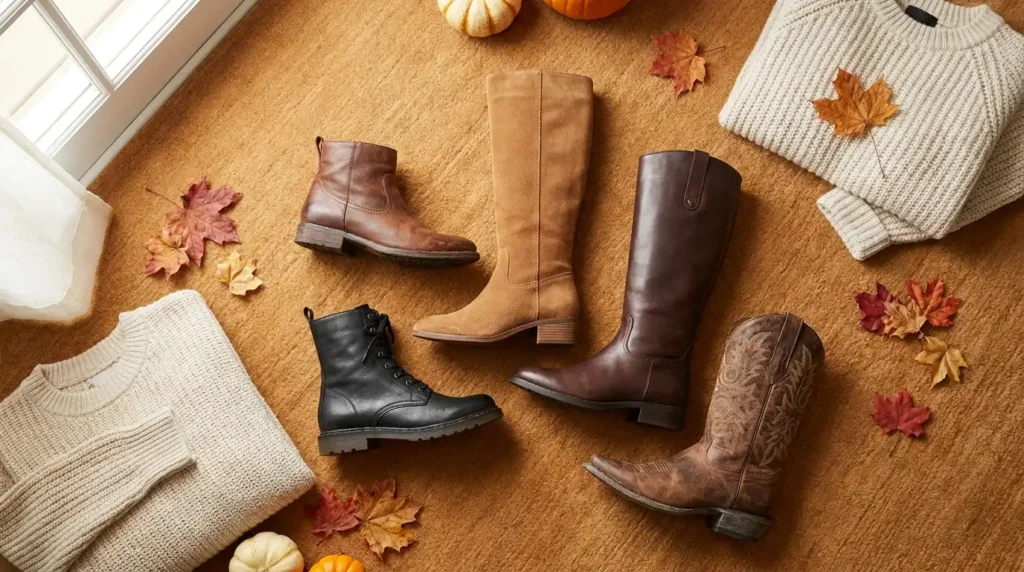
Boots are the one thing that can make a plain fall outfit feel finished. Throw on the wrong pair, though, and even a great sweater-and-jeans combo falls flat. This guide shows the best boots for a western-chic fall wardrobe. It covers leather ankle boots, knee-high boots, combat boots, and riding boots. Now you won’t have to guess at the mall.
The top choice is the Frye Melissa Button Boot ($328). This full-grain leather ankle boot features genuine western stitching. It pairs well with jeans, dresses, and midi skirts. If you’re looking for something under $100, the Dolce Vita Nestly Western Boot ($90) offers a great pointed-toe style at a low price.
At a Glance: Top Boots for Fall 2026

| Product | Price Range | Best For | Star Rating | Top Pro / Con |
|---|---|---|---|---|
| Frye Melissa Button Boot | $328 | Overall best / everyday wear | 4.6/5 | Pro: ages beautifully / Con: needs a break-in period |
| Dolce Vita Nestly Western Boot | $90 | Budget shoppers | 4.2/5 | Pro: true western look for less / Con: thinner leather |
| Ariat Heritage Contour II | $190 | Riding boot lovers | 4.7/5 | Pro: genuinely built for the stirrup / Con: narrow calf fit |
| Dr. Martens 1460 | $170 | Combat boot fans | 4.5/5 | Pro: near-indestructible / Con: heavy for all-day wear |
| Frye Veronica Slouch Boot | $398 | Knee-high statement piece | 4.4/5 | Pro: flattering slouch drape / Con: pricey investment |
| Sam Edelman Codie Ankle Boot | $140 | Petite frames / narrow calves | 4.3/5 | Pro: sleek, low-bulk silhouette / Con: block heel only 1.5″ |
What to Look For Before Buying Boots
Not every “western-chic” boot is the same. The differences usually come down to three things: the leather, the fit around your leg, and the style of the sole.
Leather Quality & Construction
Full-grain leather is the best. It comes from the outer layer of the hide, which means it develops a rich patina and improves with age. Choose Goodyear welt construction for a boot that can be resoled. This way, you won’t have to toss it out after a tough winter. Cheaper boots often use bonded or “genuine” leather. This sounds appealing, but it wears out and cracks much faster. Typically, this happens within a season or two of regular use.
Shaft Height & Fit
The shaft height (how tall the boot rises on your leg) determines the whole outfit. Ankle boots hit right at or just above the anklebone, riding boots stop below the knee, and knee-high boots go right to it. If you have fuller calves, check the boot shaft circumference in the size chart before you buy. This measurement leads to more returns than any other. A boot that’s too snug in the calf will never feel comfortable, no matter how good the leather is.
Heel Type & Traction
A block heel (wide and stable, usually 1.5–2.5 inches) is the easiest to walk in all day and pairs well with the western-chic aesthetic. A stacked heel gives more height with a slightly dressier look. For combat or hiking boots, look at the outsole. A rubber lug outsole grips better on wet leaves and slippery sidewalks than a smooth leather sole. This is important when the fall rain arrives.
Who Should Buy These Boots (And Who Should Skip Them)
This roundup is for those who want boots that serve two purposes. They should look good with a midi skirt for the office and be tough enough for a weekend at the farmers’ market. If you live in a place with real winter and need heavy insulation, most of these leather options won’t work below freezing. You’ll want a shearling-lined winter boot instead. If you have a wide foot (not just in the calf — it’s about foot width), the Dolce Vita and Sam Edelman shoes can feel narrow in the toe box. So, consider sizing up half a size or choosing a wide-width style instead.
The Best Boots: Our Top Picks

This is the boot that earns its price tag back over years, not months. The full-grain leather is thick. You notice the difference right away compared to cheap knock-offs. The button-and-strap detail on the shaft gives it a relaxed western vibe, but it doesn’t feel like a costume. The block heel is 1.5 inches high, making it easy to wear all day for errands or work. The leather sole has a nice flex, so it feels comfortable right from the start.
The catch: there’s a real break-in period. The first two or three wears might feel tight on the top of your foot. Also, the leather sole isn’t good in the rain until you add a rubber half-sole. This is ideal for someone seeking a single great boot to last over five years. It’s not for those who need a boot they can wear heavily right away.
Pros:
- Full-grain leather that develops a beautiful patina over time
- Versatile enough for jeans, dresses, or midi skirts
- Resoleable thanks to solid construction
Cons:
- Noticeable break-in period (2–3 wears)
- Not weatherproofed for heavy rain out of the box

Best Budget: Dolce Vita Nestly Western Boot

For under $100, this boot nails the pointed toe and has great western stitching. That’s often the hardest detail to fake cheaply. The suede upper feels nice against the leg, and the snip toe shape reads as current rather than dated. For anyone checking if the western-boot trend suits their style, this is a smart, low-risk way to start.
The price shows what you get: this unit is lighter and less cushioned than the pricier options. So, long days on your feet, like a full workday or a day of travel, will feel tougher. The suede isn’t water-resistant. So, it’s a good idea to spend an extra $10 on a light spray protectant before you wear it for the first time.
Pros:
- Real western stitching and snip-toe shape for a fraction of the price
- Lightweight, easy break-in
- Wide color range each season
Cons:
- Thinner leather/suede than pricier picks
- Sole cushioning wears down faster with heavy use

Best Riding Boot: Ariat Heritage Contour II

Ariat actually makes boots for people who ride horses, and it shows. The Duratread outsole is thin enough to fit in a stirrup. It still gives good grip for walking on pavement, which many “riding-style” boots don’t. The contoured footbed offers real arch support, making this boot a podiatrist would recommend for all-day wear.
The tradeoff is fit: the calf shaft runs narrow, closer to a true equestrian cut than a relaxed fashion boot. If you have a fuller calf, size up in the calf-width option Ariat offers, or you’ll feel it pinch by hour three. This is great for anyone looking for a comfortable, equestrian-inspired boot.
Pros:
- Genuine arch support and cushioned insole
- Grippy outsole that still works in a stirrup
- Holds up well to daily wear over multiple seasons
Cons:
- Narrow calf fit runs small for fuller legs
- Less “trendy” toe shape than fashion-forward picks
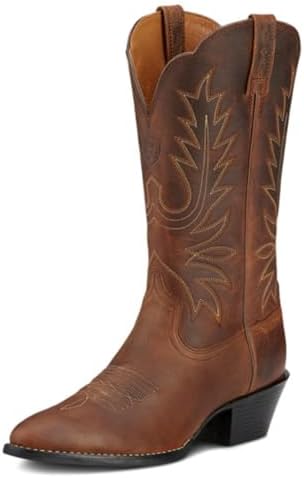
Best Combat Boot: Dr. Martens 1460

The 1460 hasn’t changed much since 1960, and that’s the idea. The air-cushioned rubber sole and yellow welt stitching have become a standard. They withstand tough daily use better than anything else here. This is the boot for someone who wants their footwear to survive a rainy commute, a festival, and five years of daily wear without falling apart.
The honest drawback is weight and break-in. These boots are much heavier than the others here. The leather is stiff, so most people need to wear them for a full week with thick socks before the heel stops rubbing. If you need a boot you can wear pain-free on day one, this isn’t it.
Pros:
- Extremely durable; resoleable at official DM’s repair centers
- Excellent traction in rain and snow
- Iconic silhouette that works with skirts, dresses, or jeans
Cons:
- Heavier than other boots on this list
- Long break-in period, often a full week
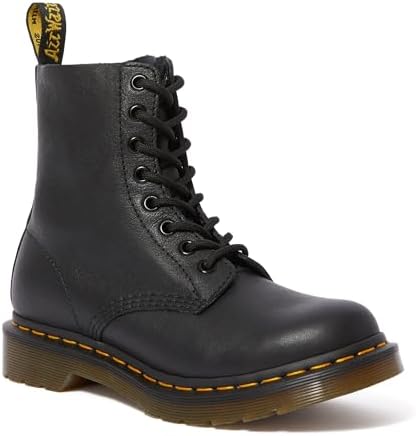
Best Knee-High: Frye Veronica Slouch Boot

This is the statement piece of the list. The slouch construction means the leather isn’t stiff at the top. This allows it to drape and fold naturally around the calf, rather than standing rigid. That’s what makes a knee-high boot genuinely flattering, unlike a “costume” one. It pairs especially well with a sweater dress or leggings, since the slouch hides where the boot ends and the leg begins.
At $398, this is the priciest option. Its slouch design provides less structure and ankle support than a stiffer boot. This isn’t great if you need solid support for a long day of walking. This is best for someone building a statement piece into their wardrobe rather than an everyday workhorse boot.
Pros:
- Flattering slouch drape that works for various calf sizes
- Rich, high-quality full-grain leather
- Elevates a simple outfit instantly
Cons:
- Highest price point on this list
- Less structural support than a stiffer boot

Best for Narrow Calves: Sam Edelman Codie Ankle Boot

Petite frames and narrower calves tend to swim in bulkier western boots, and this is the fix. The Codie features a low-bulk, sleek shaft that hugs the leg. This design gives a polished look under slim-fit pants or tucked jeans. It’s also one of the lightest boots on this list, which matters if you’re on your feet in an office all day.
The main limit is height: the block heel is just 1.5 inches. So, if you want a taller heel for a dressier look, this isn’t the choice. The colour range leans more towards classic black and cognac. This is different from the broader, Western-inspired colours that other brands provide.
Pros:
- Sleek, low-bulk fit for narrower calves
- Lightweight and comfortable for all-day wear
- Versatile with both casual and office outfits
Cons:
- Heel height maxes out at 1.5 inches
- Limited color/finish options compared to competitors

Full Comparison Table
| Product | Rating | Best For | Heel Height | Material | Break-In |
|---|---|---|---|---|---|
| Frye Melissa Button Boot | 4.6/5 | Everyday versatility | 1.5″ block | Full-grain leather | Moderate |
| Dolce Vita Nestly Western Boot | 4.2/5 | Budget shoppers | 1.75″ block | Suede blend | Minimal |
| Ariat Heritage Contour II | 4.7/5 | Riding-inspired comfort | 1.25″ | Full-grain leather | Minimal |
| Dr. Martens 1460 | 4.5/5 | Durability/all-weather | Flat | Smooth leather | Long |
| Frye Veronica Slouch Boot | 4.4/5 | Statement dressing | 1.5″ stacked | Full-grain leather | Moderate |
| Sam Edelman Codie Ankle Boot | 4.3/5 | Narrow calves | 1.5″ block | Leather | Minimal |
FAQs
Western-chic boots mix cowboy boot features, such as snip or pointed toes, western stitching, and stacked heels. They also include modern styles like ankle boots and riding boots. They’re less literal than a full cowboy boot but still nod to that aesthetic.
Leather lasts longer and resists bad weather, so it’s a safer choice for fall days. Suede looks a little dressier and softer but needs a protective spray and isn’t ideal for rain or slush.
Measure your calf’s widest point and compare it to the brand’s shaft circumference listed in the size chart, not just the boot’s overall height. A boot that’s tall enough but too tight around the calf will still feel uncomfortable and can be hard to zip.
Yes, combat boots like the Dr. Martens 1460 pair well with skirts, dresses, and denim, giving a western-inspired outfit some edge. Just balance the chunkier silhouette with slimmer bottoms so the proportions don’t feel bulky.
By Sara Saravan | Independently researched and tested. Sara has spent 6 years reviewing footwear for style and durability, testing each pair through at least one full season of real-world wear before writing a review.
Affiliate Disclosure: Some links in this article are affiliate links. We may earn a commission on qualifying purchases at no additional cost to you.

